Importing Argentine Beef is a Loss for Ranchers and Consumers

By Nikki Gronli
Oct. 23, 2025
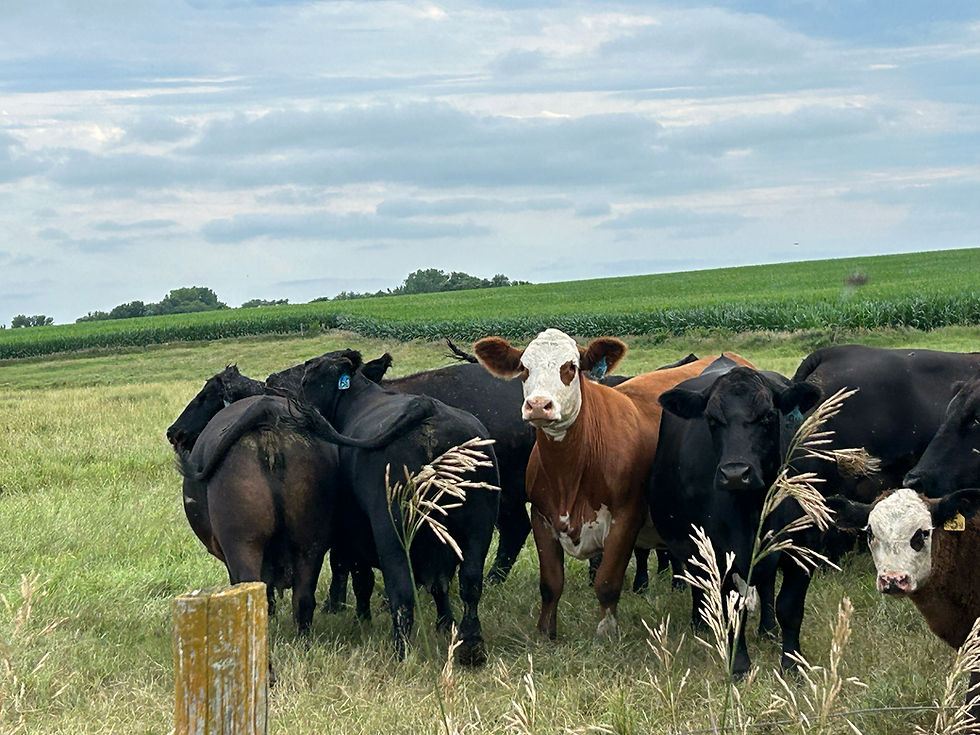
Photo property of Nikki Gronli.
Cattle ranchers across the nation are right to raise the alarm over President Trump’s plan to import Argentine beef into the U.S.
And you know what? It should alarm consumers, too.
To the Producers
You already know the cards are stacked against you. If only it were as simple as just increasing your herd size. Sure, beef prices are up, but so is everything else. All the inputs are higher: feed, fencing, equipment, not to mention interest rates. And now, instead of finding ways to strengthen domestic production, this administration is opening the door to foreign competition that doesn’t play by the same rules.
As you know, this isn’t going to help you rebuild your herd or improve your bottom line. It’s not going to lower your costs or stabilize your markets. What it will do is create more uncertainty for the people who do the real work of feeding America.
We need a real strategy to strengthen American cattle production. It starts by listening to you, the ranchers and producers, and giving you the tools to succeed. I'd love to hear your ideas on:
Smart incentives to rebuild herds and maintain operations
Modern financing options so producers aren’t trapped in short-term debt cycles
Fair markets that reward small and medium-sized operations
Equal disaster programs so recovery help is fair and accessible
Country of Origin Labeling (I get it, it's complicated.)
Rangeland leasing
Changes to the Grassland Conservation Reserve Program
And we haven't even talked about safety. Importing beef from a country where hoof-and-mouth disease is still a risk is reckless. We don't have all the details on what these imports would look like, but it seems like we're playing with fire.
Food security is national security. We can’t forget that.
To the Consumers
Let’s be honest, this move doesn’t help you either.
How exactly is this beef coming into the country? Is it boxed beef? Will it pass through U.S. packing plants and end up in the grocery store looking just like domestic beef? If so, will the big packing corporations, who already control nearly 80% of the market, suddenly lower prices for you at the checkout line? Of course not. They’ll pocket the savings, and you’ll still pay the same.
Agricultural economists say Argentina’s supply won’t be enough to bring down prices.
Consumers deserve transparency. You deserve to know where your food comes from and to have confidence in its quality.
Building a Better Future for Agriculture
We can strengthen our food system if we choose policies that keep producers and consumers on the same side.
While at USDA Rural Development, I got to oversee programs like the Meat and Poultry Processing Expansion Program, which invested in multiple local processing projects in places like Clark, Mitchell, and Newell. The program never reached its full potential because of private financing barriers, but it should be revisited, improved, and brought back. Congress should be helping rural communities finish what they started, so we keep more quality, locally, here in South Dakota.
Why It Matters for All of Us
For South Dakotans, we are all connected to agriculture. We all depend on agriculture. Our state is built on it.
As the former head of Rural Development for USDA, I saw firsthand the positive impact agriculture has on every community. When farms and ranchers suffer, our local businesses suffer. Our schools suffer. Our communities shrink. Agriculture provides for families, directly or indirectly.
We need representation that understands that agriculture isn’t just an industry, it’s a way of life. Hurting our number one industry hurts us all.
President Trump made his initial comments on importing Argentine beef last Thursday. Senator Rounds didn’t respond until Monday. Senator Thune finally issued a statement today, one full week later.
Our state’s number one industry deserves the full attention of our members of Congress.

Comments